Water Heater Anode Rod and Maintenance: Build a TankLife Service Plan
A modelspecific waterheater maintenance plan covering anode type and depletion, water chemistry, access, flushing, relief and leak checks, heatpump filters/condensate, tankless scale service, records, and replacement contingencies.
The Short Answer
Short Answer: Maintain a water heater from the exact model's manual, water chemistry, installation, and service history. For a glass-lined storage tank, identify the anode type and access, inspect it on the manufacturer or qualified service schedule, and shorten the next interval only when measured depletion supports it. Coordinate sediment/flushing, relief and leak checks, expansion pressure, temperature, combustion/electrical safety, heat-pump filters and condensate, or tankless scale service without applying one generic annual procedure to every heater.
An anode rod is designed to be consumed while helping protect exposed steel in many glass-lined tanks. Rheem's use-and-care guidance warns that removing the anode and operating without it can shorten tank life and affect warranty coverage. That does not mean every tank has the same rod, access, interval, or replacement method. Some designs use multiple, combination, segmented, powered, or other corrosion-protection systems.
Safety and Skill Boundary
Water heaters combine pressure, scalding water, gas or high-voltage electricity, heavy components, and sometimes refrigerant. Stop and use qualified service for:
- gas odor, soot, combustion or vent concern;
- active leak, bulging tank, heavy structural corrosion, or relief discharge;
- water near electrical parts;
- breaker trips, damaged wiring, or unclear disconnect;
- inaccessible or seized anode requiring excessive force around piping/venting;
- no safe hot-water discharge path;
- powered anode or control work outside owner instructions;
- heat-pump refrigeration fault;
- tankless gas, combustion, or internal service;
- any procedure the manual assigns to a qualified person.
Never cap or plug a relief valve, energize an empty electric heater, fire a gas heater without required fill/vent conditions, or work on a pressurized hot tank. Follow the exact shutdown, cool-down, drain, refill, purge, leak-test, and restart instructions.
Build the Equipment File First
Collect:
- manufacturer, exact model, serial, and installation date;
- current use-and-care and installation manual revision;
- fuel/type: electric resistance, gas storage, heat pump, tankless, indirect, solar, or combi;
- storage volume and First Hour Rating where applicable;
- warranty and registration;
- anode/corrosion-protection type and part number;
- water source and treatment equipment;
- hardness, chloride, sulfate, pH, iron, and other relevant test information when available;
- setpoint, mixing valve, recirculation, expansion, and pressure data;
- prior inspection, flush/descale, leak, odor, and repair records;
- safe access and drain/containment plan.
Do not order an anode from tank gallons alone. Threads, length, material, head clearance, combination outlet design, controls, and warranty requirements differ.
How Sacrificial Anodes Protect a Tank
Many storage heaters have a steel pressure vessel protected by glass lining plus a sacrificial metal anode. Where steel is exposed, the anode preferentially participates in electrochemical corrosion. It is expected to deplete.
Anode life varies with:
- water chemistry and conductivity;
- water temperature;
- usage and fresh-water turnover;
- tank construction and lining condition;
- anode material and mass;
- softening/treatment;
- stray current or electrical conditions;
- multiple tanks or recirculation;
- installation quality;
- prior depletion.
A calendar age is therefore a screening input, not a pass/fail test.
Identify the Protection System
Possible arrangements include:
- magnesium sacrificial anode;
- aluminum or aluminum-alloy sacrificial anode;
- combination hot-outlet/anode;
- multiple anodes;
- flexible/segmented replacement anode;
- powered anode system;
- manufacturer-specific corrosion protection;
- tanks whose manual does not provide an owner-serviceable rod.
Use the parts diagram and official documentation. Do not assume a hex-shaped fitting is the anode or remove a hot outlet without understanding the plumbing.
Material substitutions can affect odor, water chemistry, protection, warranty, and health/plumbing considerations. Use manufacturer-approved parts and qualified water-quality advice.
Set the First Inspection Interval
Start with the exact manual and warranty. Then consider whether a qualified earlier baseline is justified by:
- aggressive or highly conductive water;
- softened water;
- high storage temperature;
- heavy use;
- prior rapid anode depletion;
- odor/corrosion history;
- manufacturer/service recommendation;
- a new tank where local depletion rate is unknown.
After inspection, set the next interval from actual remaining material and condition. Record photographs and the technician's replacement threshold/basis.
Do not inspect so frequently that repeated removal damages threads, piping, venting, tank lining, or nearby finishes. Do not wait until a generic age if a prior inspection showed rapid depletion.
Access Is a Pre-Purchase Decision
Anodes can be difficult to remove because of low ceilings, closets, heat-pump heads, piping, vents, corrosion, or factory torque. Plan access before installing a replacement heater.
Record:
- vertical clearance above the anode;
- whether piping, vent, shelf, door, ceiling, or heat-pump module obstructs removal;
- ability to isolate/cool/drain safely;
- tank restraint against torque;
- electrical/gas/refrigerant components nearby;
- acceptable segmented/flexible or alternate manufacturer part;
- finish repair if an access panel is added;
- safe tool clearance.
Do not lever against fragile piping or twist an unsecured tank. A plumber may decide that disturbing a severely seized anode on an old tank creates more leak risk than benefit. Document that judgment and accelerate replacement planning.
What an Inspection Should Record
Ask for:
- date and tank age;
- water temperature and shutdown/cool condition;
- anode type, part, and original/new dimensions where available;
- remaining core coverage or depletion pattern;
- unusual pitting, passivation, coating, swelling, or breakage;
- thread/opening condition;
- odor/water-quality observations;
- tank and connection corrosion;
- replacement part and installation method;
- leak test after refill and heat cycle;
- next inspection interval with rationale.
Do not reduce inspection to “looks okay.” A photo beside a scale and written finding makes future depletion comparable.
Replace, Continue, or Plan the Tank
Continue and recheck when
- protection remains serviceable under manufacturer/qualified criteria;
- opening and tank are sound;
- no disqualifying leak/corrosion exists;
- next interval reflects measured depletion.
Replace the anode when
- depletion reaches the applicable criterion;
- correct approved part is available;
- tank opening and pressure vessel remain sound;
- removal/replacement risk is reasonable;
- odor/water-quality implications are addressed;
- warranty/service procedure is followed.
Plan full heater replacement when
- tank shell leaks or structural corrosion is present;
- anode opening/threads or nearby tank metal cannot support durable repair;
- age, condition, access, and cost make invasive service poor value;
- parts are unavailable;
- repeated internal failures occur;
- a capacity/fuel/efficiency change is already justified.
Use the water-heater leak-source guide if moisture or corrosion is present before disturbing anything.
Odor Is Not a DIY Material-Substitution Signal
A rotten-egg odor can involve water source, sulfate, bacteria, stagnation, temperature, plumbing, treatment, and anode chemistry. Determine whether odor appears in hot only, cold only, one fixture, or the whole system.
Do not remove the anode permanently, raise temperature dangerously, or pour chemicals into the system based on a generic forum fix. Rheem's manual notes interaction between some water conditions and cathodic protection and says chlorination may be part of addressing odor; the exact procedure, potable-water safety, scald control, disposal, and local guidance require qualified handling.
Record water test, heater type, treatment, temperature, stagnation, and affected fixtures. Manufacturer technical support, plumber, and water-treatment professional may need to coordinate.
Sediment and Tank Flushing
Sediment can enter from the supply or precipitate as water is heated. Effects vary: noise, reduced usable volume, covered heating surfaces, slow recovery, drain blockage, or no obvious symptom.
Build a decision before flushing:
- Does the exact manual prescribe owner or professional draining/flushing?
- Is there a safe discharge route that tolerates hot water and sediment?
- Are gas/electric shutdown and restart steps understood?
- Is the drain valve sound and serviceable?
- Has an old neglected tank never been drained?
- Could sediment block the valve?
- Is water chemistry treatment needed?
- What post-fill purge and leak checks are required?
Do not open a hot pressurized drain or energize before the tank is full and purged. An aggressive first flush on an old corroded tank can expose a drain-valve or tank problem. Use a qualified contingency.
Rumbling is not proof that a flush will restore the heater. Scale on electric elements, gas heat-transfer surfaces, or tankless heat exchangers may require different model-specific service.
Relief Valve, Pressure, and Expansion
The T&P valve protects against unsafe temperature/pressure. Inspection/testing intervals and methods must follow the valve/heater manual and local requirements, with a safe discharge path and qualified replacement when needed.
Never cap the valve or ignore discharge. Repeated dripping can involve thermal expansion, supply pressure, high temperature, debris, or a faulty valve. Replacing only the valve without measuring the system may repeat the symptom.
Ask service to record:
- static and operating pressure;
- pressure during a heating cycle;
- setpoint/delivered temperature;
- expansion tank or control condition;
- valve model/condition and discharge route;
- corrective action and post-cycle result.
Leak and Connection Inspection
Visually inspect accessible cold/hot connections, recirculation, mixing valve, expansion tank, relief/discharge, drain, pan, condensate, vent area, jacket, and base. Look for moisture, mineral tracks, green/white deposits, rust, staining, sagging supports, or damaged insulation.
Do not tighten corroded fittings blindly. Photograph and obtain a repair contingency. Water at the base may originate from above; use the highest-wet-point method in the leak guide.
Temperature, Mixing, and Scald Control
Record thermostat setting and safely measured delivered temperature. Higher storage temperature increases heat loss and scald risk, though properly designed mixing/storage strategies may be used for capacity or sanitation under professional guidance.
Check:
- household vulnerability to scalding;
- central and point-of-use mixing devices;
- recirculation temperature control;
- code/health requirements;
- dishwasher/appliance needs;
- heat-pump mode and efficiency;
- whether delivered temperature matches control intent.
Do not remove anti-scald stops or mixing valves to gain capacity. Use the hot-water-runs-out guide to measure demand first.
Heat-Pump Water Heater Maintenance
In addition to tank/anode/plumbing tasks, follow the exact HPWH manual for:
- air filter cleaning/replacement;
- unobstructed intake and discharge;
- evaporator/fan owner-access boundaries;
- condensate pan, hose, pump, and termination;
- ambient-temperature range;
- operating mode and demand-response schedule;
- error-code history;
- refrigeration service by qualified technicians;
- backup resistance operation;
- sound/vibration changes.
Do not spray, brush, or open refrigeration/heat-exchange parts unless the manual permits owner care. Do not block airflow to reduce noise.
ENERGY STAR emphasizes HPWH sizing and installation air because these affect efficient operation. Maintenance cannot correct an undersized tank or unsuitable cold enclosure.
Tankless Water Heater Maintenance
Tankless service differs from storage-tank anode maintenance. Follow the exact manual for:
- inlet filter cleaning;
- scale/descaling method and chemistry;
- isolation/service valves;
- condensate and neutralizer for condensing models;
- vent/combustion inspection;
- freeze protection;
- recirculation;
- flow/temperature performance;
- error codes;
- gas/electrical qualified service.
Water hardness, temperature, use, and model determine scale interval. Do not circulate an unapproved acid/chemical or mix products. Potable-water rinsing, disposal, pump/material compatibility, and isolation matter.
Indirect, Boiler, Solar, and Combination Systems
These systems may have tank anodes, heat-exchanger coils, pumps, glycol, controls, boiler-water pressure, solar loops, mixing, and expansion components. The domestic side and closed-loop side need distinct service procedures.
Do not treat an indirect tank as a basic electric tank or drain a glycol/boiler loop into potable plumbing. Use the system designer/manufacturer manuals and qualified hydronic/solar service.
A Five-Year Maintenance Ledger
| Date | Task/inspection | Finding/measurement | Part/procedure | Next due and why | Provider |
|---|---|---|---|---|---|
| Anode | |||||
| Sediment/scale | |||||
| Pressure/expansion/T&P | |||||
| Leaks/connections | |||||
| Temperature/mixing | |||||
| HPWH filter/condensate | |||||
| Tankless filter/descale | |||||
| Combustion/electrical |
Attach photos, invoices, water tests, settings, and part numbers. “Annual service done” is less useful than measured findings.
Worked Interval Example
A new glass-lined electric tank on private well water has an approved magnesium anode. The manual/service provider recommends a baseline inspection. At the first inspection, the anode shows moderate uneven depletion but substantial material remains. Water testing shows conditions that may accelerate corrosion.
The plumber documents photographs and schedules the next inspection sooner than a generic multi-year assumption. At the second inspection, measured depletion rate is slower after water treatment adjustment. The next interval is extended cautiously.
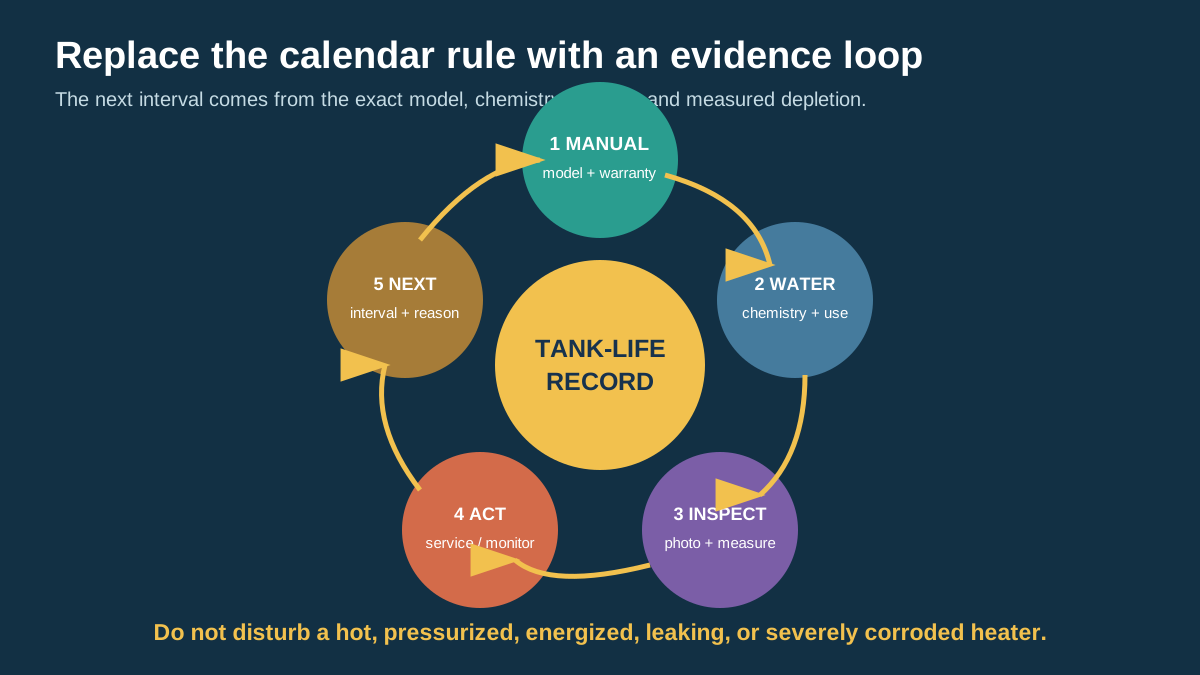
This evidence loop is better than both extremes: replacing a healthy anode every year or ignoring it until the tank leaks.
New-Heater Installation Acceptance
Maintenance quality begins at installation. Before final payment, preserve:
- exact model and serial;
- permit and inspection;
- manufacturer-required clearances and service access;
- anode removal path or documented approved alternative;
- shutoff, expansion, T&P valve, and discharge arrangement;
- drain valve and safe service discharge plan;
- pan, floor drain, detector, or automatic shutoff scope;
- setpoint and mixing/recirculation settings;
- combustion air/venting or electrical circuit/grounding checks;
- heat-pump intake, discharge, filter, condensate, ambient, and mode;
- tankless service/isolation valves, filter, condensate/neutralizer, and vent;
- leak test cold and after a full heat cycle;
- owner demonstration and manuals;
- initial water-quality information and service interval.
An anode placed directly under a fixed pipe or low ceiling can become economically unserviceable even though the heater operates. A drain valve aimed at a wall or a T&P line with no safe visible discharge complicates future care. Correct these layout issues before finishes and surrounding equipment make access worse.
Ask the installer to label valves and leave model-specific maintenance steps, not a generic sticker. Photograph hidden piping, drain, electrical, vent, and condensate work.
Seasonal Owner Observation Schedule
This is visual observation, not a command to dismantle the heater.
Monthly or during normal access
- look for new moisture, staining, corrosion, or mineral tracks;
- confirm pans and detectors are dry/operational under their test instructions;
- listen for a new rumble, hiss, pump, fan, or vibration pattern;
- note changes in recovery, temperature, odor, or bill;
- keep storage away from combustion air, filters, drains, and service clearances.
Before freezing weather
- verify equipment and piping exposed to cold are within their design;
- check condensate and exterior vent termination for freeze/snow risk;
- review vacancy/vacation instructions;
- do not shut down or drain equipment in a way that defeats freeze protection or creates unsafe restart.
After utility, plumbing, or treatment changes
- record pressure-reducing/backflow/meter work;
- record softener or water-treatment changes;
- confirm expansion control and anode interval are reconsidered where appropriate;
- watch for relief discharge, new odor, or corrosion.
Before extended vacancy
Follow the exact manual. Some guidance includes shutdown, water isolation, or vacation mode and warns about hydrogen gas after long idle periods. Restart and flushing procedures must address the actual appliance and potable-water safety. Do not improvise around gas, electricity, freeze protection, or stagnant water.
Water Chemistry Record
Water quality is not captured by the word “hard.” Keep laboratory/utility or qualified test results with dates and source:
| Parameter | Result | Test source/date | Why provider considered it | Action/monitoring |
|---|---|---|---|---|
| Hardness | Scale/service | |||
| pH | Corrosion/material compatibility | |||
| Chloride | Corrosion conditions | |||
| Sulfate | Odor/anode interaction | |||
| Iron/manganese | Sediment/staining | |||
| Conductivity/TDS if used | Electrochemical context | |||
| Treatment settings | Changes exposure |
Do not diagnose potability from heater maintenance tests. Use the appropriate public-health authority or accredited testing guidance for drinking-water concerns. Do not add treatment chemicals or alter softener settings solely to extend tank life without considering health, plumbing, appliance, wastewater, and manufacturer effects.
Repair Economics and the Disturbance Risk
Maintenance has a diminishing return when the tank is already near failure or access is destructive. Compare:
- tank age and warranty;
- confirmed tank/jacket/connection condition;
- anode access and seizure risk;
- cost of qualified inspection/replacement;
- ceiling, piping, vent, heat-pump module, or finish removal;
- risk that disturbing corroded threads creates a leak;
- other overdue repairs;
- efficiency/capacity mismatch;
- emergency replacement consequence if service is deferred;
- planned home electrification.
A $100 part can require much more installed work. Conversely, replacing a sound tank only because access is inconvenient wastes remaining service life. Ask for a written “service now, monitor, or plan replacement” recommendation with evidence and a contingency.
If the professional recommends not disturbing a seized anode, preserve that finding, improve leak detection/containment, collect replacement quotes before failure, and set a monitoring date. “Do nothing” without a plan is different from deliberate risk management.
Verify Every Maintenance Visit
After refill and restart, verify under the exact procedure:
- tank is fully filled and air purged before applicable energizing/firing;
- anode/element/drain/service connections remain dry;
- cold/hot/recirculation/mixing connections remain dry;
- relief and discharge are unobstructed and not leaking abnormally;
- condensate drains during applicable operation;
- no gas/combustion/electrical warning exists;
- setpoint, mode, schedules, and demand response are restored;
- a full heat cycle completes;
- delivered temperature and recovery are reasonable;
- service area and discharge path are cleaned;
- next due date is based on the finding.
Check again after the first full heat cycle because warming and pressure can reveal a connection leak absent when cold. Do not sign off on an empty-tank startup or a visual glance alone.
Maintenance Quote Worksheet
Require:
- exact model/manual tasks;
- shutdown/cool/drain/restart responsibility;
- anode identification, inspection, and replacement price;
- seized/inaccessible anode contingency;
- sediment/scale procedure and disposal;
- pressure, expansion, relief, and temperature measurements;
- leak/connection inspection;
- HPWH filter/condensate or tankless service scope;
- gas combustion/electrical qualified tasks;
- replacement parts and warranty;
- refill, purge, leak, heat-cycle, and final operation tests;
- photos and next-interval rationale;
- finish repair and cleanup exclusions.
Do not authorize generic “water heater tune-up” without deliverables.
Sources and Verification
- Rheem's technical bulletin library and example use-and-care manual demonstrate why anode, flushing, relief, temperature, and warranty instructions are model-specific.
- Rheem's heat-pump water-heater maintenance guide provides manufacturer-specific filter, condensate, inspection, and service context.
- ENERGY STAR's heat-pump water-heater design considerations support treating location, condensate, air, electrical, and hot-water demand as part of the system rather than the tank alone.
Use the installed model manual and current warranty. Gas, electrical, pressure, relief-device, lifting, confined-space, and severely corroded-connection work may require qualified trades.
Frequently Asked Questions
How often should an anode rod be replaced?
There is no universal interval. Rheem's technical bulletins illustrate manufacturer-specific service information; start with the exact model manual and inspect based on water chemistry, use, treatment, prior depletion, and access.
Can I run a tank without an anode?
Do not remove corrosion protection permanently. Manufacturer use-and-care guidance such as Rheem's example manual explains anode purpose and warranty/maintenance context. Address odor or access with approved model-specific solutions.
Should I flush my water heater every year?
Follow the exact model and site service plan. Water chemistry, design, age, drain condition, and history matter. A generic aggressive flush can create problems on an old neglected tank.
Does a powered anode eliminate maintenance?
No. It has model compatibility, power, control, installation, warranty, and monitoring requirements, while the heater still needs leak, pressure, temperature, condensate, scale, combustion/electrical, and other care.
Can an anode stop an existing tank leak?
No. An anode helps protect a sound tank over time; it does not repair a leaking pressure vessel. Diagnose the source and replace a failed tank.
Does softened water consume anodes faster?
It can affect corrosion conditions, but the actual result depends on system and chemistry. Use documented inspections and manufacturer/water-treatment guidance rather than assuming one interval.
Why does hot water smell like rotten eggs?
Possible factors include water source, sulfate, bacteria, stagnation, temperature, plumbing, treatment, and anode interaction. Test whether hot/cold and all fixtures are affected and use qualified diagnosis.
What to Read Next
If the tank is wet, use the water-heater leak-source map before maintenance disturbs evidence. If service capacity declined, work through the hot-water-runs-out diagnostic. For replacement planning, compare the heat-pump water-heater site and sizing guide and tankless versus tank guide.
Sources and Verification
Editorial Review
EnergyBS Editorial Team
EnergyBS publishes practical homeowner guides. Important program, product, and cost claims should be checked against the linked source and local project documents before you commit to work.
Related Guides
View All ArticlesWater Heater Leaking? Find the Source Before You Repair or Replace
A safetyfirst leaksource map for water around a tank or tankless heater, separating plumbing connections, condensate, relief discharge, drain valve, appliance leaks, recirculation, venting moisture, and tankshell failure.
Why Hot Water Runs Out Fast: A Draw, Recovery, and Mixing Diagnosis
A homeowner diagnostic for short hotwater supply that separates fixture flow, overlapping draws, tank firsthour capacity, recovery, thermostat/mode, diptube and element faults, mixing valves, leaks, piping loss, and sediment.
Heat Pump Water Heater Guide: Savings and Installation (2026)
Size and specify a heat pump water heater using firsthour rating, installation air, electrical capacity, condensate routing, operating modes, noise, and local energy prices.